
Selling a home is a big decision, and it involves a lot of moving parts. The good news is that a clear plan makes the process much smoother. Below, you will learn how to sell your home NC style, one step at a time. If you want to sell your home NC market conditions and local expertise can make a real difference in your price, timeline, and stress level.
This guide walks you through each step, from your first valuation to the closing table.
Step 1: Find Out What Your Home Is Worth
Pricing starts with data. A comparative market analysis (CMA) looks at recent sales of similar nearby homes, current competition, and market trends. Online estimates can be a useful starting point, but they miss details like upgrades, condition, and neighborhood nuances.
Ask a local agent for a valuation before you decide on a listing price. Dorathea Schultes can walk you through your home’s likely value and what is driving it. You can start with the home valuation request on our site.
Step 2: Prepare Your Home for the Market
First impressions matter, online and in person. You do not need a full renovation, but a few focused steps can improve your results.
- Declutter and deep clean every room.
- Make small repairs, such as leaky faucets, loose handles, and chipped paint.
- Improve curb appeal with fresh mulch, trimmed shrubs, and a clean entry.
- Consider neutral paint in rooms with bold colors.
- Think about a pre-listing inspection if your home is older, so you can address problems early.
Your agent can tell you which updates are worth the cost and which to skip. Smart preparation helps you sell your home NC faster and for a better price.
Step 3: Set a Smart Price
If you sell your home NC buyers will compare it against every other listing in the same price range. Pricing too high can cause your home to sit and lose momentum. Pricing at the right level, based on real data, often attracts more showings and stronger offers.
Step 4: Market Your Home Effectively
Most buyers begin their search online, so your listing needs to stand out right away. Strong marketing usually includes:
- Professional photography and, when possible, video.
- An accurate, engaging property description.
- Placement on the MLS so agents and buyers can find your home.
- Promotion through social media and other channels.
Step 5: Handle Showings and Offers
Be flexible with showings when you can, because more access means more chances for the right buyer. When offers arrive, look beyond the price. Compare the full picture:
- Financing type: Cash, conventional, FHA, VA, or USDA can all affect timing and requirements.
- Earnest money and due diligence fee: These show how committed the buyer is.
- Contingencies: Look at inspection, appraisal, and financing terms.
- Closing date: Make sure it works for your next move.
You can accept, reject, or counter any offer. Your agent will help you evaluate each one and negotiate.
Know Your North Carolina Disclosures
North Carolina sellers generally complete several disclosure forms. These typically include the Residential Property and Owners’ Association Disclosure Statement, where sellers may choose to disclose details or select “No Representation,” and the Mineral and Oil and Gas Rights Disclosure Statement. Homes built before 1978 also require a lead-based paint disclosure.
Always answer honestly, and ask your agent or attorney if you have questions about what applies to your property.
Step 6: Due Diligence, Appraisal, and Repairs
After you accept an offer, the buyer’s due diligence period begins. The buyer may inspect the home and request repairs or credits. You can agree, decline, or negotiate. The buyer’s lender will also order an appraisal. If the appraisal comes in low, you may need to renegotiate the price or the buyer may need to bring more cash.
Step 7: Close With a North Carolina Attorney
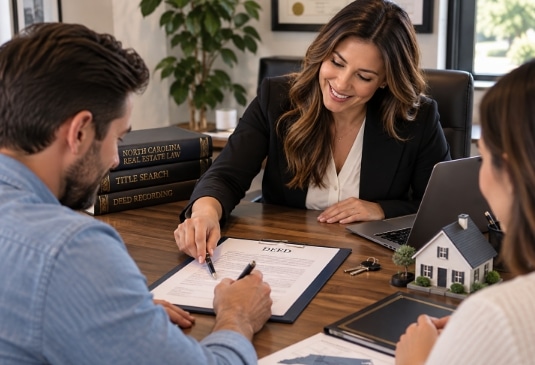
North Carolina is an attorney state, so a licensed attorney conducts the closing. The attorney confirms clear title, prepares the documents, pays off your existing mortgage, and records the deed. Plan to attend closing or arrange a signing option ahead of time.
What Does It Cost to Sell Your Home NC Sellers Should Expect?
Your net proceeds depend on your sale price and your costs. Common seller costs include:
- Real estate commissions, which are negotiable.
- North Carolina excise tax on the transfer, currently $1 for every $500 of the sale price.
- Attorney fees.
- Prorated property taxes and any HOA fees.
- Any agreed repairs or buyer credits.
- Payoff of your existing mortgage.
Ask your agent for a net sheet early so you know what to expect at closing. Knowing these numbers helps you sell your home NC with fewer surprises.
Mistakes to Avoid
- Overpricing and chasing the market down.
- Skipping repairs that buyers will certainly notice.
- Limiting showings or being unreachable.
- Focusing only on price and ignoring offer terms.
- Hiding known problems instead of disclosing them.
Frequently Asked Questions
How long does it take to sell a home in the Triangle?
Timelines vary with price, condition, and demand. After you accept an offer, closing often takes about 30 to 45 days.
Do I need to make repairs before listing?
Not always. Focus on safety issues, visible wear, and anything an inspector is likely to flag. Your agent can help you decide.
Can I sell my home while I still owe money on it?
Yes. Your closing attorney pays off your mortgage from the sale proceeds and sends you the remainder.
Ready to Sell Your Home NC Homeowners Trust Dorathea With?
Whether you are in Durham, Chapel Hill, Raleigh, Granville County, Alamance County, or a nearby community, Dorathea can help you price, prepare, and market your property. Get a home valuation or contact Dorathea to start the conversation.